
Polo Club Insurance & USPA Polo Insurance
Polo Club Liability Insurance – Polo Clubs & Associations
Allen Financial Insurance Group & The Equestrian Group
USPA Polo Insurance By: Allen Financial Insurance
USPA Polo Club Insurance – Polo Club Liability Insurance

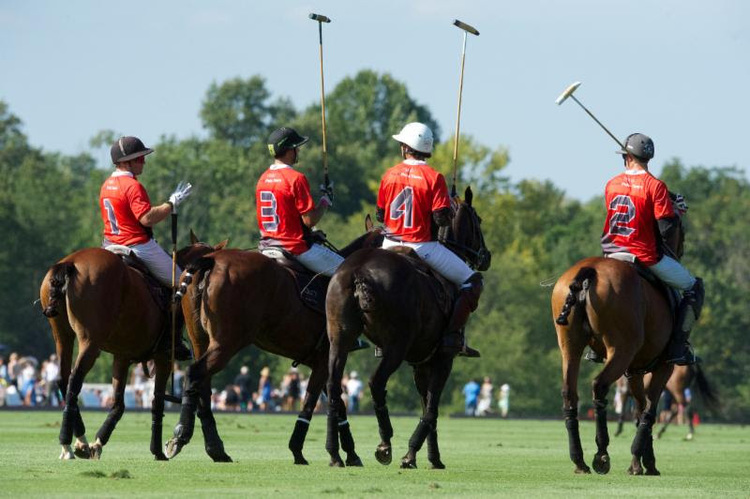
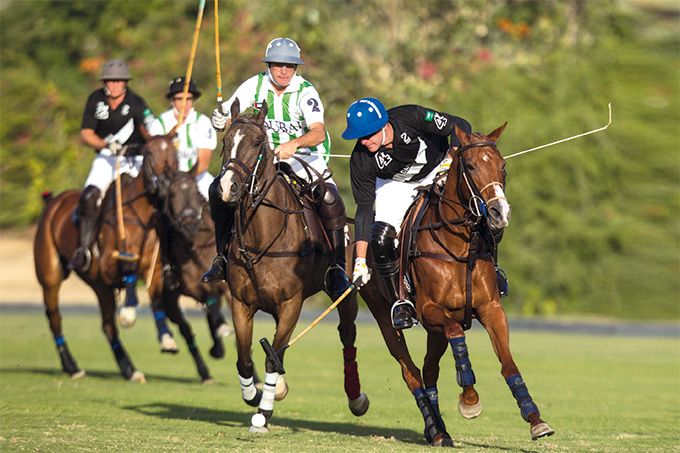
The AFIG Polo Club Insurance Program was designed specifically for USPA Polo clubs and their affiliates. Available in all 50 states, USPA Polo Club insurance is the largest and most comprehensive policy available. This flexible program offers an insurance policy specifically created for exposures unique to your polo club. For as little as $750 per year our $1,000,000 liability policy will cover all owners, officers and club members if a law suit arises from an club activity. Liability coverage is provided for all declared equestrian club activities including public events, boarding, instruction and owned or leased premises. Products, completed operations and personal advertising injury exposures are included in coverage. Boarding, riding instruction, clinics and additional special events can be added by endorsement. Coverage for buildings, personal property, automobiles and livestock can also be included in the policy.
Our basic policy premium automatically includes all members, member events and declared public event activity. Activities held by and for the sole benefit of members are included and covered at no additional charge. Directors, officers and members are automatically named additional insured’s in the policy definitions. Premises owners, government entities, sanctioning organizations and sponsors may be named as an additional insured by endorsement. Increased coverage limits are available up to $10,000,000.
Polo Club Insurance Policy Highlights
- A+ rated U.S. insurance company
- Full Occurrence Basis Liability
- Up to $10 million liability limits
- Liability coverage extends to the U.S., U.S. territories and Canada.
- Products/Completed Operations coverage
- Personal Injury & Advertising Liability
- Blanket Additional Insured endorsement available
- $100,000 Damage To Property of Others
- $5,000 Spectator medical payments included.
- Participant Liability & Accident Coverage Option
- Defense cost paid in excess of policy limit
- Independent contractors can be added to policy
- Care, Custody & Control Liability
- Special Events Coverage
We also offer Group Accident & Medical coverage and Directors & Officers Errors & Omissions insurance to clubs and associations.
Polo Insurance – Reference Information
Polo Safety Group Guidelines
USPA Polo Rulebook – 2016
Equine Liability Releases
Liquor Legal Liability
Special Event Risk Management
Equine Statutes by State
AEA Equine Safety Guidelines
Additional Insured Endorsements explained
Equine Liability Statues Aren’t Bulletproof Protection
| Occurrence | $500,000 to $4,000,000 |
| General Aggregate | $1,000,000 – $5,000,000 |
| Aggregate Products/Operations | $1,000,000 – $4,000,000 |
| Personal / Advertising Injury |
$500,000 –$4,000,000 |
| Medical | $5,000 |
| Fire Legal Liability | $100,000 |
Horse Mortality & Major Medical Insurance
Whether you are looking to protect your investment or making sure your polo horse receives the best possible medical care Horse Mortality & Medical Insurance is one of the most cost effective ways to achieve both.

Why Do I need Special Event Liability Insurance?
What Does The Special Event General Liability Policy Cover?
Certificate of Insurance vs Additional Insured Endorsement
When producing a special event you will often be asked to provide a certificate of insurance to verify the existence of insurance coverage under specific conditions. More specifically, the document lists the effective date of the policy, the type of insurance coverage purchased, and the types and dollar amount of applicable liability.
Frequently, another party such as the venue or a sponsor will ask to be named as an additional insured on your policy. The additional insured then enjoys the benefits of being insured under your policy your for negligent acts and omissions but not for his own negligence.
Please visit Additional Insured Endorsement explained for more detailed information.
What is the Difference between Host Liquor and Liquor Liability coverage?
Host Liquor Liability Insurance provides protection for the event holder against bodily injury or property damage suits brought by parties whose injuries arise from actions of an intoxicated event guest. Host Liquor Liability coverage applies only if there is no transfer of money for alcohol or service/product packages that include alcohol. If there is any money changing hands and alcohol is served, Host Liquor Liability coverage does not apply, only Liquor Liability coverage will provide the proper protection. Host liquor liability insurance is included at no additional charge with an AFIG Event Liability Insurance Policy.
Liquor Liability or Dram Shop Coverage provides coverage and defense for an event holder who charges for alcohol and is sued for bodily injury or property damage caused by intoxicated event guests. If there is any money changing hands and alcohol is served, Liquor Liability coverage provides the proper protection. It also provides coverage if the event holder violates any statute, ordinance or regulation relating to the sale, gift, distribution or use of alcoholic beverages. Liquor Liability Insurance is an optional coverage available when purchasing an AFIG Event Liability Insurance.
What is Waiver of Subrogation?
Polo Club Insurance

Contact us by phone (800) 874-9191, FAX (602) 992-8327
or email below for more Polo Club Insurance – USPA Polo Insurance information.

In A Rush?

If you have an immediate question or
need please call 800-874-9191