Tattoo Insurance & Body Piercing Insurance
Tattoo Insurance Liability & Body Piercing Insurance
Americal Specialty Insurance Group
Contact us for a no obligation tattoo insurance quote today!
Our Tattoo Insurance is rock solid and ultra competitive… no matter how unique your Tattoo or Body Piercing business is. We promise you a top quality policy backed with first-class customer service.
Call us today!
American Specialty has become an influential advocate and insurance negotiator for the tattoo and body piercing industry. We have created an affordable tattoo insurance program designed specifically for tattoo and piercing artists. Our team is recommended by our clients again and again, for those just starting out or those who own large shops with multiple artists. We realize that each tattoo shop has unique qualities and characteristics. Years of experience have taught us the ins and outs of insurance for tattoo artists, allowing us to provide you with specific and detailed coverage’s for your business.
Let us create an affordable and comprehensive package that provides security for your business, including your services, equipment, property and staff.
The ASI Tattoo Insurance & Body Piercing Insurance Program is custom designed to meet the unique needs of tattoo artists, permanent cosmetics and body piercing professionals. It is a national A rated insurance program created by tattoo and piercing professionals for tattoo and piercing professionals. Our policy is written on a full occurrence, comprehensive liability form for your protection and peace of mind.
This comprehensive insurance plan gives you the ability to buy broad property and professional liability coverage at Ultra Preferred rates. A specialized tattoo insurance policy from AFIG could save you 20% or 30% over your current policy. We promise to deliver better service and more coverage for the insurance dollar than any competitor.
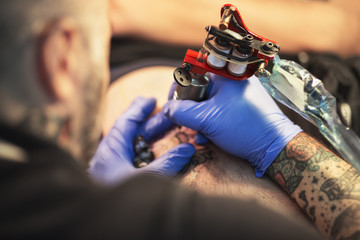
What Is Tattoo and Body Piercing Insurance?
Tattoo and body piercing insurance is a specific business insurance policy designed to help owners of tattoo shops maintain a profitable business. Tattoo insurance providers understand the many risks that go along with running this type of business and can create policies that address these risks so that your shop can remain profitable, even in the face of a disaster or lawsuit.
OUR TATTOO INSURANCE PROGRAM OFFERING:
- Tattoo Shop Insurance including all Artists
- Tattoo Artist Insurance – as Independent Contractors
- Beauty Salon Services Program
- Micro-Needling Procedures
- Professional Liability Insurance for Tattoo Shops
- General Liability Insurance for Tattoo Shops
- Minor Tattooing Insurance
- Tattoo Removal – Saline
- Guest Artist Insurance
- Mobile Units – including general liability
- Coverage at Conventions
- Camouflage Coverage
- Tattoo and Body Piercing Supply Distributors
- Body Piercing Insurance (Including Minors)
- Permanent Makeup Cosmetics Insurance
- Sexual Abuse Insurance
- Property Insurance for fire, theft, and other related perils
- Coverage for Signs, Glass, Flash, Loss of Business Income
WE TREAT OUR TATTOOERS AS PROFESSIONALS, NOT AS POLICY PREMIUMS.
Tattoo Commercial & Professional Liability
- FULL OCCURRENCE PROFESSIONAL LIABILITY (NOT CLAIMS MADE)
- Tattoo Artist Insurance – as Independent Contractors
- Products & Completed Operations Liability
- Personal Injury & Advertising Injury
- Unlimited Defense Coverage
- Medical Payments Coverage
- Landlords & Venues named as Additional Insured
- Communicable & Infectious Disease Coverage
 |
National A rated Admitted & Non-Admitted company |
|
Low Preferred Rates |
|
Immediate Quotes |
|
Easy Payment Plans |
|
24 / 7 Claims Service |
|
Immediate Certificates of Insurance |
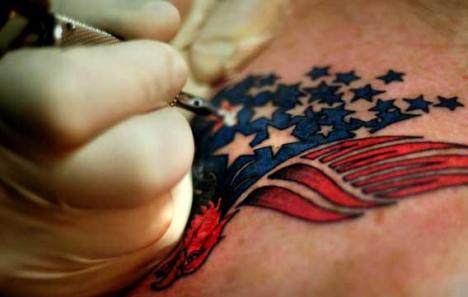

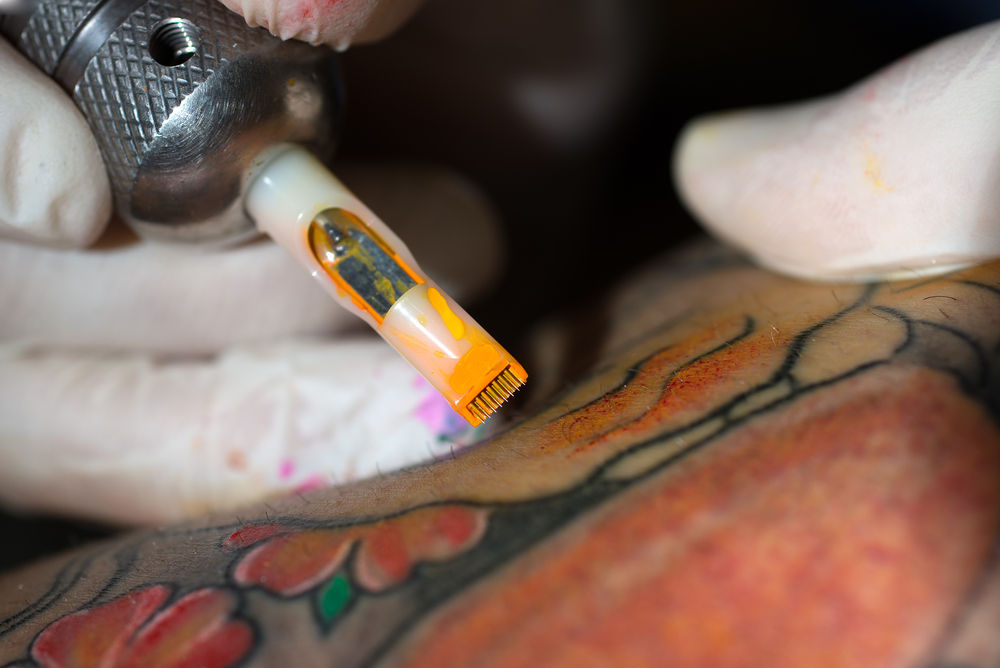
Protection for Multiple Services
- Decorative Tattoo
- Basic Piercing (ears, nose, naval, and lip)
- Broad Form Piercing (eyebrows, genitals, nipples, and oral cavity)
- Dermal Anchors
- Tattoo Removal
Every Kind of Artist:
- Tattoo Shop
- Traveling Artists
- Independent Contractors
- Apprentices
- Guest Artists
- Employees
- Mobile Tattoo Studios
- And More
The standard liability limits for tattoo insurance are $2,000,000 Aggregate/$1,000,000 Per Occurrence and we can accommodate higher limits. We also encourage our clients to obtain infectious disease coverage, which is incredibly inexpensive and essential for those professions utilizing needles.
- Conventions and Events
- Many artists attend and participate in events and conventions. Coverage becomes even more crucial for those performing services while away from the studio.
- Business Personal Property: Fire & Theft
- Protection for the valuable equipment that allows you to run (furniture, tattoo machines, flash, lasers, etc.).
- Tenant Improvements & Betterments
- Any improvements you have made to your studio (walls, ceiling, floors, light fixtures, etc.).
- Property of Others
- If you are hiring independent contractors, their equipment as well as your own. Property of others allows you to provide fire and theft insurance for those working with you and for you.
- Abuse and Molestation
- Protect your staff from abuse and molestation claims from those you perform services on.
- Building
- For those who own the building of which they occupy, building coverage may easily be included in the tattoo insurance policy.
Tattoo & Body Piercing Resources

Tattoo Insurance & Body Piercing Insurance

Contact us by phone (480) 666-5520
or email americanspecialtyinsurance@gmail.com for Tattoo Insurance & Body Piercing Insurance information.