
Weather Insurance – Event Weather Insurance – Rain Insurance
Event weather insurance and Rain Insurance protect revenue losses caused by adverse weather conditions.
Contact us for a no obligation Weather Insurance quote today!
Weather Insurance When You Need It
Weather insurance is a type of protection against a financial loss that may be incurred because of rain, snow, storms, wind, fog, undesirable temperatures or other adverse, measurable weather conditions.
AFIG can help you or your clients be prepared for unpredictable weather patterns. Event weather insurance protects revenue losses caused by adverse weather conditions that reduce attendance and the sales of concessions, food and parking.
Summary of Coverage
Event weather insurance is a risk transfer tool that protects against adverse weather conditions that can reduce revenue from sources such as ticket sales, concessions, food and parking. Typical buyers of event weather insurance include fairs and festivals, concerts, sporting events, parades and air shows. It can provide coverage for many perils including rain, snow, wind, lightning and adverse weather.
For example, with a rain insurance policy through AFIG, festival organizers can be assured that if rainfall keeps people from attending their event and revenues drop, they will be covered. In this case, a weather policy would pay out if 0.2-inch of rain accumulation occurred during the key event hours of 4:00 p.m. and 9:00 p.m. If it rained more than 0.2-inch, a check is written to make up for the festival’s losses.
Event Weather Insurance
A large investment is made to organize a special event, fundraising venue, or an organized sales event. You can’t risk having such events without protection. If the weather doesn’t cooperate, you are out a pile of money in advertising and numerous other costs.
Weather insurance protects your event against adverse weather conditions which may reduce revenue or increase expenses. It can also be used to increase sales for retail operations as well as stabilize a budget for certain businesses where their revenue is tied solely to weather.
This policy of coverage works well in several different scenarios including protection for outdoor special events, film productions and sales promotions. Whether you are looking to protect an event from lost revenues and/or unrecoverable expenses due to rainy weather or plan on running a sales promotion whereby you offer to reimburse customers if it rains on a certain day, Allen Financial Insurance can structure a policy that protects your bottom line.
Scope of Coverage:
- Fire, earthquake or other damage causes your venue to be unusable.
- Specific weather conditions such as floods, hurricanes, tornadoes, blizzards, lightning, or any other life-threatening weather condition. These weather conditions must prevent the majority of the audience from reaching the venue where your event is taking place.
- Unavoidable travel delays (aircraft or other modes of transportation), equipment delays, mechanical breakdown, power failures.
- National disaster.
- Any other cause (not otherwise excluded) beyond your control.
Rain is typically the greatest concern for event hosts, but in some circumstances the trigger of coverage could be snow, fog, lightning, hail, wind or some combination of several different severe weather patterns.
Coverage Options:
Proceeds from our Weather Insurance may be used to rent a tent, snowplow fees, or any expenses that you incur due to rain and/or snow at your event. Example: You purchase $10,000 in Rain Insurance Coverage. It rains during the covered time period. We don’t ask for receipts or proof of loss. We just send you a check for $10,000.
Cumulative Rainfall Coverage.
This coverage provides for a claim if a specific amount of rain occurs over a specific time period.
Rain Free or Dry Hours.
This coverage provides for a claim if a rain occurs during a specific number of hours over a designated time period.
Other Perils.
Coverage for snow, lightning, fog, extremes in temperature, hurricanes, tornadoes, high winds and other adverse weather may be obtained. We can also combine weather elements into a single policy to, for example, cover days that are both cold and wet, or hot and windy.
Other Options.
We will work with you to design a policy to meet your own unique requirements, including policies that address a lack of rain or snow.
Weather Insurance – Can it protect you from a loss?
A Basic weather insurance policy is designed to protect against a financial loss caused by adverse weather. For example, you may be interested in getting rain insurance for events such as:
- Fairs
- Festivals
- Parades
- Weddings
- Motorsport events
- Golf tournaments
- Film production
- Trade shows
- Conferences
- Concerts
- A seasonal attraction such as a winter carnival
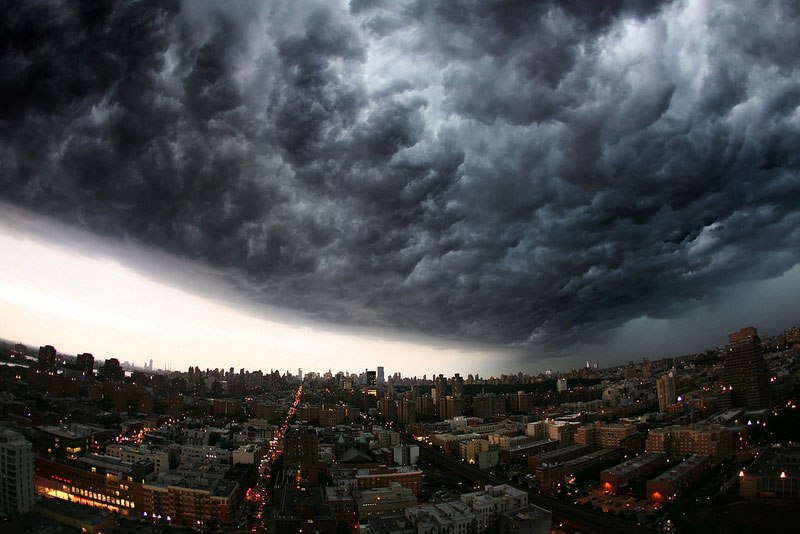
- 1/100 Inch of Rain – 0.01″
- A light shower for 2-5 minutes or a drizzle for 2 hours. This would not leave puddles on the ground and would slightly wet the surface.
- 1/4 Inch of Rain – 0.25″
- A light rain for 2-3 hours, moderate rain for 30-60 minutes or heavy rain for 15 minutes. Many puddles on the ground that do not disappear easily.
- 3/4 Inch of Rain – 0.75″
- Heavy rain for 2-4 hours. Deep standing water for long periods of time (a light or moderate rain never reaches this amount).
- 1/10 Inch of Rain – 0.10″
- A light rain for 30-40 minutes, moderate rain for 10 minutes or heavy rain for 5 minutes. Small puddles would form but usually disappear after a short while.
- 1/2 Inch of Rain – 0.50″
- Moderate rain for 1-2 hours or heavy rain for 30-45 minutes. Deep standing water for long periods of time (a light rain never reaches this amount).
- 1 Inch of Rain – 1.00″
- Heavy rain for several hours (2-5 hours). Deep standing water for long periods of time (a light or moderate rain never reaches this amount).
Weather Insurance

Contact us by phone (800) 874-9191, FAX (602) 992-8327
or email below for more Weather Insurance – Event Weather Insurance – Rain Insurance information.