
Auto Insurance – Car Insurance
Auto Insurance
By: Allen Financial Insurance Group
Contact us for a no obligation Auto Insurance & Car insurance quote today

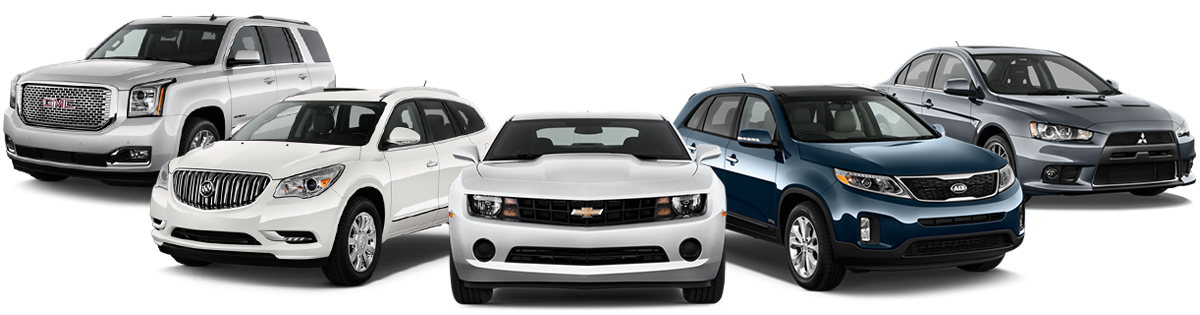
Allen Financial Insurance Group Auto Insurance & Car Insurance provides you with quality protection at a great price. Each policy comes with the support and knowledge of our incredible underwriters. In many states you are required to carry some type of Auto Insurance & Car Insurance (or post a bond) when you are operating a motor vehicle. You’re also required to provide proof of insurance before you can register your vehicle or renew your driver’s license. Although coverage is mandatory, the amount and types of coverage may vary.
Often, the required minimum coverage may not be enough to adequately compensate your assets or your earnings. Your Allen Financial Insurance Agent can help you understand your own state requirements and work with you to provide the coverage you need.
Here is a list of Auto Insurance & Car Insurance topics you'll want to know about:
Fault or No-Fault — This depends on the law in your state.
Collision — Pays damages to your own vehicle. Generally, there is a deductible.
Comprehensive — Pays for losses from fire, theft, storm, etc. Generally, there is a deductible.
Deductible — The amount of a covered loss you agree to pay.
Bodily Injury — Pays for injury to others when you are at fault.
Property Damage — Pays for property damage when you are at fault.
Medical Payments — Pays for your own or your passenger’s medical expenses.
Personal Injury Protection — In no-fault states, this covers a broad assortment of medical expenses.
Uninsured/Under-insured Motorist — Pays for coverage to you if other driver is not insured or is under-insured.
Fault or No-Fault
If you live in a no-fault state, your own insurance company pays for any loss or injuries to you, no matter who causes the accident. In at-fault states,the person at fault in the accident or their insurance company pays.
With no-fault, most claims can be settled quickly, and without litigation over who’s at fault. However, No-Fault can limit your right to sue to recover damages. Individual states set the coverage and place limits on your rights to sue, so check with your agent.
With a fault system, your right to sue is not restricted (nor is the other party’s right to sue you). But, court cases assigning blame can take years to settle. Also, the costs of trying your case can be substantial.
Bodily Injury
This coverage pays, subject to policy limits and conditions, all sums which you are legally obligated to pay for any person(s)
injured or killed in an accident where you are at fault.Coverage includes medical expenses and lost wages.
Property Damage
Property Damage is liability coverage for damage to another’s personal property, such as an automobile, house or fence, in a
collision where you are at fault.
Medical Payments
This coverage handles medical bills and funeral expenses for you or a passenger if injured while riding in your vehicle. Coverage extends to you or a family member when riding as a passenger in someone else’s vehicle or when struck by a vehicle when on foot. Costs are covered up to the amount specified by the policy.
Personal Injury Protection (PIP)
Personal injury coverage pays a broader range of medical costs than Medical Payments coverage. Coverage includes provisions for lost wages and the replacement of the services of someone injured in an accident. Personal Injury coverage is generally required in states with No-Fault and available in some other states.
Collision
Collision coverage pays when your own vehicle is damaged in an accident. Generally, the coverage reimburses you the amount to repair or replace your damaged vehicle, minus the agreed-on deductible. It is usually the most expensive coverage in your auto policy.
Comprehensive
Comprehensive pays for damages to your car caused by an incident other than a collision with another car or object. You’re covered for fire, theft, riots, collisions with animals, storms, falling objects, earthquakes, floods and other natural occurrences. Often, comprehensive insurance includes a daily rental provision that pays a certain amount toward a rental car in conjunction with a theft claim. Like collision, comprehensive coverage generally includes a deductible.
Uninsured Motorist/Under-insured Motorist
Uninsured Motorist covers you in an accident with a motorist who has no insurance or is under-insured. In some states or insurance policies, Under-insured Motorist protection is usually separate from Uninsured Motorist coverage. Uninsured Motorist protection also covers you if you’re injured by a hit-and-run driver. Coverage includes payment of medical costs, lost wages and pain and suffering. It is required in many states.
Auto Insurance
Information Form

Contact us by phone (800) 874-9191, FAX (602) 992-8327
or email below for more Car Insurance information.